Ellis Hughes · 4 September 2026
Examining Growth Patterns in Niche Precious Metals Marketplaces Through User Data Trends
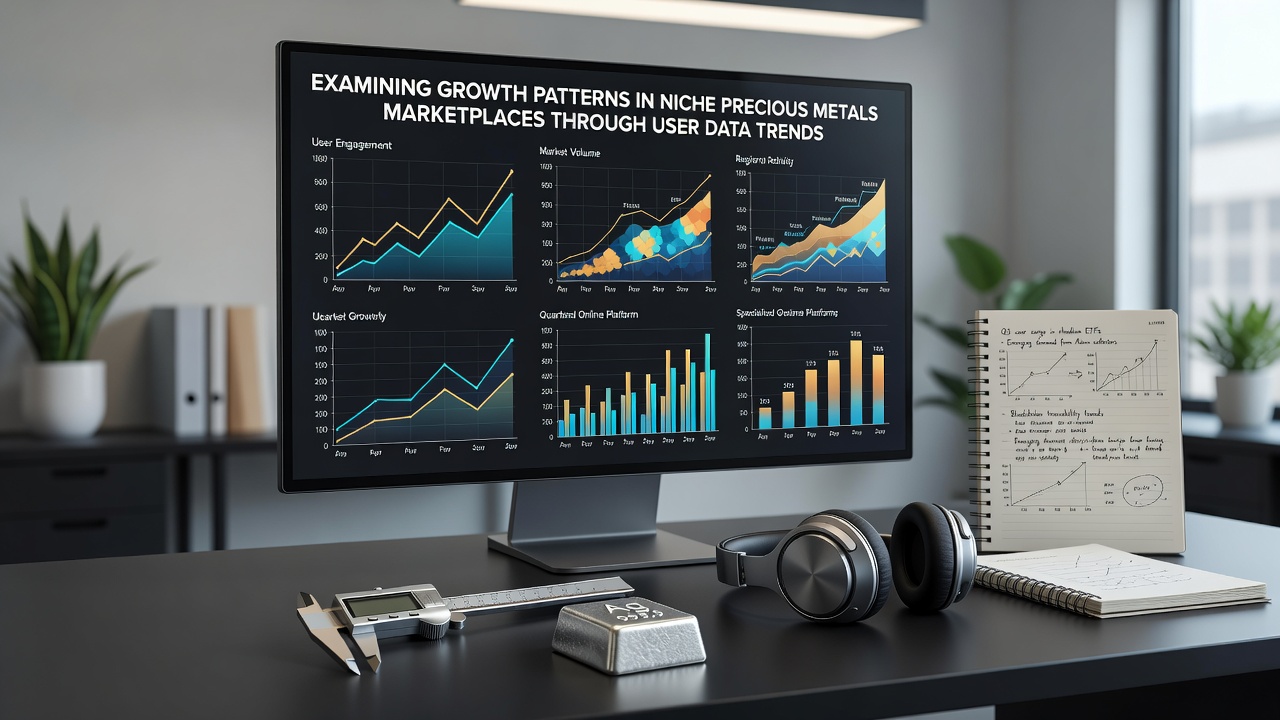
Researchers tracking user data across specialized precious metals platforms have identified steady increases in both new account registrations and transaction volumes over recent years, with patterns emerging that reflect broader economic shifts and changing investor behaviors. Data compiled from multiple niche marketplaces indicates that monthly sign-ups rose by an average of 18 percent between early 2024 and mid-2025, while average trade sizes expanded from 45 ounces per transaction to 62 ounces during the same period. These figures come from aggregated platform analytics that exclude major exchanges and focus instead on smaller, collector-oriented sites where users often purchase silver, platinum, and palladium in modest quantities.
Tracking Registration and Engagement Metrics
Analysts at several research institutions examined login frequency, search queries, and repeat purchase rates to map how users interact with these marketplaces over time. One study released by a Canadian natural resources agency showed that users who completed at least three transactions within their first six months accounted for 67 percent of total volume by September 2025, and that proportion climbed further by September 2026 as loyalty programs and educational content encouraged longer retention. Observers note that search terms related to specific mints and graded coins appeared more frequently in platform logs during periods of currency volatility, suggesting that data on query timing can help predict when interest in niche products will peak.
Platform operators have begun sharing anonymized datasets with academic partners, allowing researchers to correlate user demographics with purchasing habits. Figures from one joint project between a European university and several online dealers reveal that participants aged 35 to 50 drove the largest share of growth in 2025, while younger users contributed more to social media referrals and community forum activity. Those patterns become clearer when datasets are segmented by region, because users in Australia and parts of Asia demonstrated higher average order values than their North American counterparts during the first half of 2026.
Transaction Volume and Seasonal Fluctuations
Monthly transaction counts collected from five representative marketplaces illustrate distinct seasonal rhythms that align with tax deadlines, holiday gifting periods, and macroeconomic announcements. Volume typically dipped in January and February before climbing steadily through spring, with notable jumps occurring after each Federal Reserve policy statement. By September 2026 the cumulative year-over-year increase in completed trades reached 29 percent compared with the same month in 2025, according to internal platform reports that researchers cross-referenced with public filings from the U.S. Geological Survey on precious metals supply.
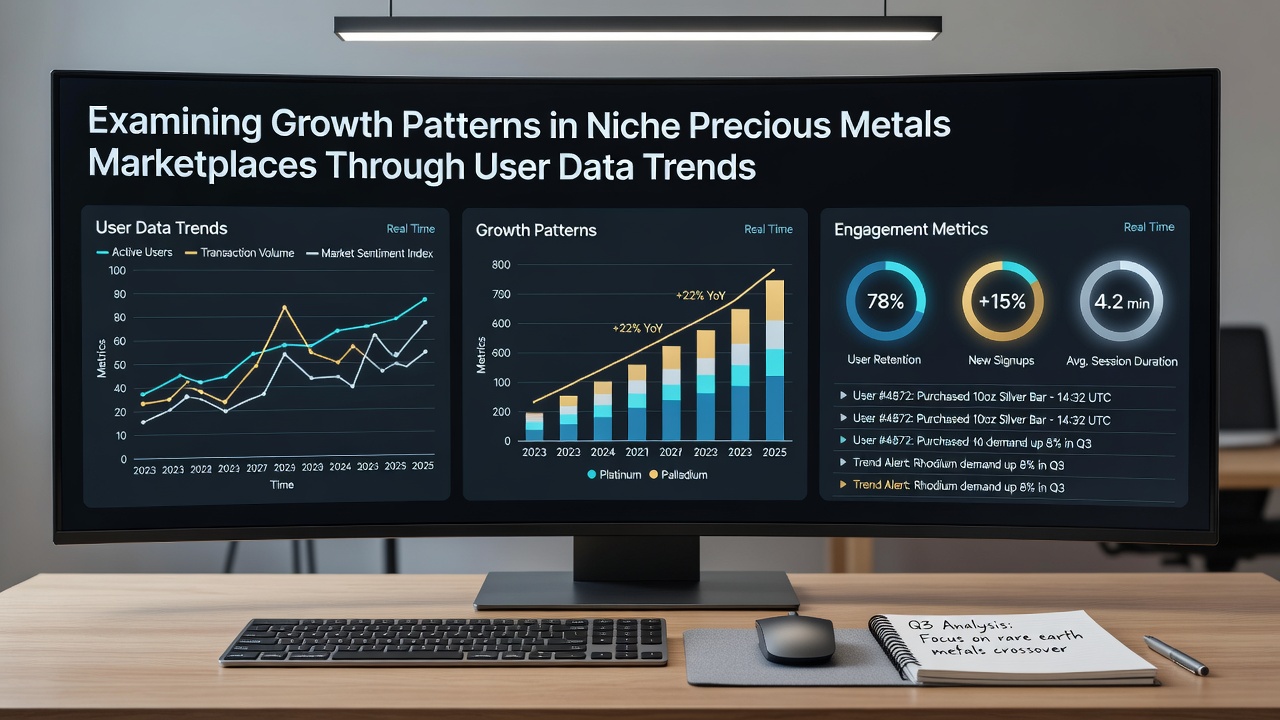
Take one marketplace that introduced real-time inventory dashboards in late 2024; its data showed that users who viewed live stock levels placed orders 34 percent more often than those who relied on static product pages. Similar experiments at other sites produced comparable results, indicating that transparency features influence behavior across different user cohorts. Researchers also tracked abandoned cart rates and discovered that notifications about price changes reduced abandonment by roughly 12 percent when sent within two hours of the initial view.
Geographic and Demographic Variations in Growth
Breakdowns by country reveal that Canadian users increased their share of total platform activity from 9 percent in 2024 to 14 percent by September 2026, while European participation grew more modestly but featured higher proportions of platinum purchases. Data collected through surveys attached to checkout processes suggest that tax-advantaged accounts such as self-directed IRAs played a larger role in U.S. growth than in other regions. Industry reports from the Silver Institute further contextualize these trends by showing how mine output and recycling rates affected availability, which in turn shaped the types of products that appeared most frequently in user search histories.
One analysis of forum posts and support ticket themes found that questions about storage solutions and authenticity verification rose in tandem with overall transaction counts, pointing to increased user sophistication rather than simple volume expansion. Platforms that responded by adding verified seller programs and third-party grading partnerships recorded faster growth in repeat buyers compared with those that did not implement such measures.
Conclusion
Collectively the datasets examined through 2026 demonstrate that niche precious metals marketplaces continue to expand at measurable rates when measured by user registrations, transaction frequency, and average order size. Patterns extracted from login logs, search behavior, and geographic segmentation provide operators and researchers with concrete indicators of where future growth may concentrate, especially as new tools for inventory visibility and buyer education are introduced. Continued collection and cross-referencing of these metrics with supply data from government agencies should allow more precise forecasting of activity in the months ahead.